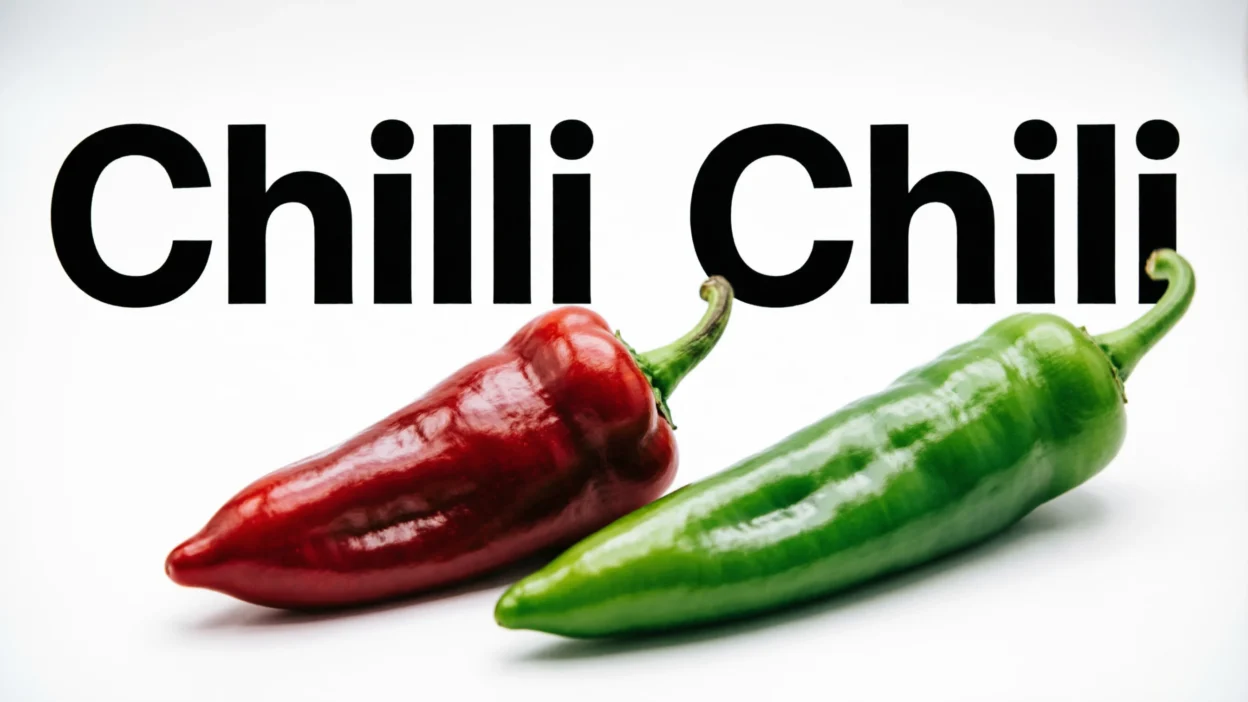
Have you ever seen the words chilli and chili used interchangeably and wondered if they mean different things?
Whether you’re reading a recipe, shopping for spices, or writing food-related content, the two spellings can be confusing.
The good news is that both chilli and chili are correct. The difference mainly comes down to regional spelling preferences and, in some cases, the specific dish being discussed.
In this guide, you’ll learn the meaning of each spelling, their origins, examples, common mistakes, and when to use one over the other.
Quick Answer
- Chili is the preferred spelling in American English.
- Chilli is the preferred spelling in British English, Australian English, and several other English-speaking countries.
- Both words usually refer to the spicy pepper known as a chili pepper.
- In the United States, chili can also refer to the popular meat-and-bean dish called chili.
What Does Chilli or Chili Mean?
Both chilli and chili generally refer to a spicy pepper belonging to the Capsicum family.
Examples include:
- Red chili peppers
- Green chili peppers
- Bird’s eye chili
- Jalapeño chili
- Chili powder
These peppers are widely used in cuisines around the world to add heat and flavor to food.
In American English, chili may also refer to a cooked dish made with meat, beans, tomatoes, and spices.
Example:
- We had a bowl of chili for dinner.
Chilli or Chili Explained
The spelling variation primarily reflects differences between American and British English.
The Origin of the Word
The word comes from the Spanish term chile, which was derived from the Nahuatl language spoken by the Aztecs.
Over time, English speakers adopted different spellings:
- Chili became common in the United States.
- Chilli became common in the United Kingdom and many Commonwealth countries.
Despite the spelling difference, both words refer to the same pepper.
Chilli vs Chili: Key Differences
| Feature | Chilli | Chili |
|---|---|---|
| Meaning | Spicy pepper | Spicy pepper |
| American English | Less common | Preferred |
| British English | Preferred | Less common |
| Australian English | Preferred | Less common |
| Can Refer to the Dish? | Rarely | Commonly |
| Correct Spelling | Yes | Yes |
The primary distinction is regional usage rather than meaning.
American vs British English Usage
Understanding regional preferences can help you choose the correct spelling for your audience.
Use “Chili” In:
- United States
- American cookbooks
- U.S.-based food blogs
- American restaurant menus
Examples:
- Chili powder
- Chili recipe
- Chili cook-off
- Beef chili
Use “Chilli” In:
- United Kingdom
- Australia
- New Zealand
- South Africa
- India
- Many Commonwealth countries
Examples:
- Chilli sauce
- Chilli flakes
- Chilli chicken
- Fresh chillies
Examples of Chilli and Chili
Examples Using “Chilli”
- Add a chopped chilli to the sauce.
- She enjoys spicy chilli chicken.
- Fresh chillies are available at the market.
- The recipe calls for dried chilli flakes.
Examples Using “Chili”
- I added chili powder to the soup.
- The chili peppers were extremely hot.
- We made homemade chili for dinner.
- He entered a local chili cooking contest.
When Does Chili Mean a Dish?
One unique feature of American English is that chili often refers to a specific food dish.
Examples
- Texas chili is famous throughout the United States.
- She won the neighborhood chili competition.
- The restaurant serves vegetarian chili.
In these contexts, chili means a stew-like dish rather than the pepper itself.
This usage is far less common with the spelling chilli.
Common Mistakes People Make
Mistake #1: Thinking One Spelling Is Wrong
Many people assume only one version is correct.
Correct:
- Chili ✔
- Chilli ✔
Both spellings are accepted.
Mistake #2: Mixing Spellings in One Article
Consistency is important.
Less Professional:
- Add chili powder and chopped chillies.
Better (American):
- Add chili powder and chopped chili peppers.
Better (British):
- Add chilli powder and chopped chillies.
Mistake #3: Forgetting the Audience
Writers sometimes use the wrong regional spelling.
If you’re targeting British readers, use chilli.
If you’re targeting American readers, use chili.
How to Remember the Difference
A simple memory trick:
- Chili = America prefers shorter spellings.
- Chilli = Britain keeps the double “l.”
Think of similar spelling differences:
| American English | British English |
|---|---|
| Traveling | Travelling |
| Canceled | Cancelled |
| Chili | Chilli |
The extra “l” often appears in British English spellings.
Related Terms and Synonyms
Depending on the context, related terms include:
- Chili pepper
- Chilli pepper
- Capsicum
- Hot pepper
- Red pepper
- Green pepper
- Jalapeño
- Cayenne pepper
- Habanero
- Bell pepper
Related food terms:
- Chili powder
- Chilli flakes
- Hot sauce
- Spicy seasoning
- Pepper seasoning
These terms are commonly associated with spicy cooking and recipes.
Which Spelling Should You Use?
Use “Chili” When:
- Writing for American audiences
- Creating U.S.-focused food content
- Referring to the American chili dish
- Following American English style guides
Use “Chilli” When:
- Writing for British audiences
- Creating content for Australia or New Zealand
- Following British English spelling conventions
- Publishing in Commonwealth countries
For international audiences, mentioning both spellings can improve clarity and SEO reach.
Is Chilli or Chili Better for SEO?
The best keyword depends on your target audience.
For U.S. Traffic
Popular searches include:
- Chili recipe
- Chili powder
- Beef chili
- Chili peppers
For U.K. and Commonwealth Traffic
Popular searches include:
- Chilli sauce
- Chilli flakes
- Chilli chicken
- Fresh chillies
For global content, naturally including both spellings can help capture a broader audience.
Why Understanding Chilli or Chili Matters
Using the correct spelling improves credibility, consistency, and user experience.
Whether you’re writing recipes, restaurant menus, food blogs, cookbooks, or product descriptions, matching the spelling to your audience makes your content feel more natural and professional.
It can also help improve SEO performance by aligning your content with the search habits of your target readers.
Frequently Asked Questions (FAQs)
1. Is chilli or chili correct?
Both are correct. The preferred spelling depends on regional English conventions.
2. What is the difference between chilli and chili?
The meaning is generally the same. The main difference is spelling and regional usage.
3. Which spelling is used in America?
Chili is the standard American spelling.
4. Which spelling is used in the UK?
Chilli is the preferred British spelling.
5. Does chili always mean the pepper?
No. In American English, chili can also refer to a meat-and-bean stew.
6. Is chilli more formal than chili?
Neither is more formal. The choice depends on regional spelling preferences.
7. Can I use both spellings in one article?
It’s best to choose one spelling style and remain consistent.
8. Does Google recognize both spellings?
Yes. Search engines understand chilli and chili as spelling variations of the same word.
Summary
The difference between chilli or chili is primarily a matter of regional spelling. Chili is the standard spelling in American English, while chilli is preferred in British English and many Commonwealth countries. Both spellings refer to the same spicy pepper and are considered correct.
When writing content, choose the spelling that matches your target audience. If you’re creating food-related content for a global readership, understanding both versions can help improve communication, consistency, and SEO performance.
Actionable Takeaway
Before writing recipes, food blogs, menus, or product descriptions, identify your audience. Use chili for American readers and chilli for British and Commonwealth audiences. Stay consistent throughout your content for a more professional and reader-friendly experience.