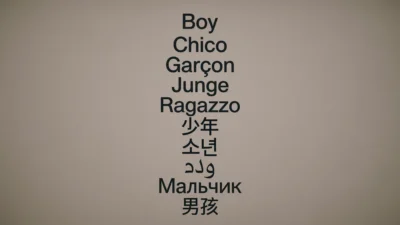
Learning how to say girl in different languages is helpful for everyday conversations, language learning, and cultural communication. The word “girl” is widely used when talking about family, friends, children, and daily life.
Knowing girl translations around the world makes it easier to connect with people and understand basic vocabulary across cultures.
In this guide, you will discover how to say girl in all languages, including correct native words, easy pronunciation, and simple real-life example sentences for better understanding.
Girl in Different Languages (70 Translations Around the World)
| Language | Native Phrase + Pronunciation | Example Sentence + English Meaning |
|---|---|---|
| English | Girl (Gurl) | The girl is happy. — Refers to a young female |
| Spanish | Niña (NEE-nya) | La niña juega. — The girl plays |
| French | Fille (Fee-y) | La fille sourit. — The girl smiles |
| German | Mädchen (MED-chen) | Das Mädchen lacht. — The girl laughs |
| Italian | Ragazza (ra-GAT-sa) | La ragazza corre. — The girl runs |
| Portuguese | Menina (meh-NEE-na) | A menina canta. — The girl sings |
| Dutch | Meisje (MAY-shuh) | Het meisje leest. — The girl reads |
| Russian | Девочка (DYE-voch-ka) | Девочка играет. — The girl plays |
| Arabic | فتاة (Fa-tah) | الفتاة تدرس. — The girl studies |
| Chinese (Mandarin) | 女孩 (Nü-hai) | 女孩很开心。 — The girl is happy |
| Japanese | 女の子 (Onna-no-ko) | 女の子が笑う。 — The girl laughs |
| Korean | 소녀 (So-nyeo) | 소녀가 노래해요. — The girl sings |
| Hindi | लड़की (Lad-kee) | लड़की पढ़ती है। — The girl studies |
| Urdu | لڑکی (Larki) | لڑکی کھیل رہی ہے۔ — The girl is playing |
| Turkish | Kız (Kuz) | Kız koşuyor. — The girl is running |
| Greek | Κορίτσι (Ko-REE-tsee) | Το κορίτσι γελάει. — The girl laughs |
| Polish | Dziewczynka (Jev-CHIN-ka) | Dziewczynka biega. — The girl runs |
| Swedish | Flicka (FLIK-ka) | Flickan ler. — The girl smiles |
| Norwegian | Jente (YEN-teh) | Jenta leker. — The girl plays |
| Danish | Pige (PEE-geh) | Pigen synger. — The girl sings |
| Finnish | Tyttö (TUHT-to) | Tyttö tanssii. — The girl dances |
| Czech | Dívka (DEEV-ka) | Dívka čte. — The girl reads |
| Slovak | Dievča (DYEV-cha) | Dievča sa hrá. — The girl plays |
| Hungarian | Lány (Laa-n) | A lány fut. — The girl runs |
| Romanian | Fată (FA-tuh) | Fata râde. — The girl laughs |
| Bulgarian | Момиче (Mo-MEE-che) | Момичето пее. — The girl sings |
| Serbian | Devojčica (De-VOY-chee-tsa) | Devojčica skače. — The girl jumps |
| Croatian | Djevojčica (DYE-vo-ychi-tsa) | Djevojčica čita. — The girl reads |
| Slovenian | Deklica (DEK-lee-tsa) | Deklica riše. — The girl draws |
| Ukrainian | Дівчинка (DEEV-chyn-ka) | Дівчинка грає. — The girl plays |
| Hebrew | ילדה (Yal-da) | הילדה שמחה. — The girl is happy |
| Thai | เด็กผู้หญิง (Dek phu-ying) | เด็กผู้หญิงวิ่ง — The girl runs |
| Vietnamese | Cô gái (Koh gai) | Cô gái cười. — The girl smiles |
| Indonesian | Gadis (GA-dis) | Gadis itu menari. — The girl dances |
| Malay | Gadis (GA-dis) | Gadis itu membaca. — The girl reads |
| Filipino (Tagalog) | Babae (Ba-ba-eh) | Ang babae ay tumatawa. — The girl laughs |
| Swahili | Msichana (Msi-CHA-na) | Msichana anaimba. — The girl sings |
| Zulu | Intombazane (In-tom-ba-ZAH-neh) | Intombazane iyadlala. — The girl plays |
| Afrikaans | Meisie (MAY-see) | Die meisie hardloop. — The girl runs |
| Persian | دختر (Dokh-tar) | دختر میخندد. — The girl laughs |
| Bengali | মেয়ে (Me-ye) | মেয়েটি হাসে। — The girl smiles |
| Punjabi | ਕੁੜੀ (Ku-ree) | ਕੁੜੀ ਖੇਡ ਰਹੀ ਹੈ। — The girl is playing |
| Tamil | பெண் குழந்தை (Pen ku-zhun-thai) | பெண் குழந்தை ஓடுகிறது. — The girl runs |
| Telugu | అమ్మాయి (Am-ma-yee) | అమ్మాయి నవ్వుతోంది. — The girl is smiling |
| Kannada | ಹುಡುಗಿ (Hu-du-gi) | ಹುಡುಗಿ ಓಡುತ್ತಿದೆ. — The girl is running |
| Malayalam | പെൺകുട്ടി (Pen-kut-ti) | പെൺകുട്ടി ചിരിക്കുന്നു. — The girl laughs |
| Marathi | मुलगी (Mul-gee) | मुलगी खेळते. — The girl plays |
| Gujarati | છોકરી (Cho-kree) | છોકરી દોડે છે. — The girl runs |
| Nepali | केटी (Ke-tee) | केटी खेल्छे। — The girl plays |
| Sinhala | දැරිය (Da-ri-ya) | දැරිය සිනාසෙයි. — The girl smiles |
| Mongolian | Охин (O-khin) | Охин инээж байна. — The girl is laughing |
| Khmer | ក្មេងស្រី (Kmeng srey) | ក្មេងស្រីរាំ។ — The girl dances |
| Lao | ເດັກຍິງ (Dek ying) | ເດັກຍິງຫົວເຮາະ. — The girl laughs |
| Burmese | မိန်းကလေး (Main-ka-lay) | မိန်းကလေး ပြေးနေသည်။ — The girl is running |
| Amharic | ሴት ልጅ (Set lij) | ሴት ልጅ ትጫወታለች። — The girl plays |
| Haitian Creole | Ti fi (Tee fee) | Ti fi a ap ri. — The girl is laughing |
| Irish | Cailín (Ka-leen) | Tá an cailín sásta. — The girl is happy |
| Welsh | Merch (Merch) | Mae’r ferch yn rhedeg. — The girl is running |
| Icelandic | Stúlka (STOOL-ka) | Stúlkan syngur. — The girl sings |
| Estonian | Tüdruk (TUE-druk) | Tüdruk naeratab. — The girl smiles |
| Latvian | Meitene (May-te-ne) | Meitene dejo. — The girl dances |
| Lithuanian | Mergaitė (Mer-gai-teh) | Mergaitė žaidžia. — The girl plays |
| Albanian | Vajzë (Vai-zuh) | Vajza qesh. — The girl laughs |
| Basque | Neska (NES-ka) | Neska korrika egiten du. — The girl runs |
| Catalan | Noia (NO-ya) | La noia canta. — The girl sings |
| Galician | Nena (NE-na) | A nena xoga. — The girl plays |
How to Say Girl in Different Languages Correctly
When learning how to say girl in different languages, pronunciation and cultural context are important. Some languages have different words depending on age, formality, or gender nuances, so using the correct term makes your speech more natural and respectful.
Practicing short sentences like “The girl is happy” can help you remember translations faster and use them in real conversations.
Why Learning Girl in All Languages Is Useful
Understanding girl in all languages improves basic vocabulary and cross-cultural communication. It is a foundational word used in education, family conversations, storytelling, and daily interactions around the world.
This knowledge is especially helpful for:
- Language learners
- Travelers
- Students
- Cultural communication
Common Situations to Use the Word Girl Around the World
You can use these translations in many real-life situations:
- Describing people
- Talking about family or children
- Storytelling and writing
- Classroom learning
- Everyday conversations
Using the local word for “girl” helps conversations feel more natural and culturally appropriate.
Conclusion
Learning girl in different languages is a simple yet powerful way to expand your global vocabulary. With these 70 translations, you can confidently understand and use the word “girl” in conversations across cultures and improve your communication skills worldwide.
FAQs
1. How do you say girl in different languages?
You can say “Niña” in Spanish, “Fille” in French, “Mädchen” in German, and “Ladki” in Hindi.
2. What is girl in all languages?
Each language has its own translation, such as “Kız” in Turkish, “Gadis” in Indonesian, and “Cailín” in Irish.
3. Is the word girl similar in many languages?
Not always, but some languages have similar-sounding words due to linguistic roots and cultural influence.
4. Why should I learn girl translations around the world?
It helps with basic conversations, language learning, and better cultural understanding.
5. What is the easiest way to remember girl in different languages?
Use repetition, example sentences, and pronunciation practice to memorize translations effectively.