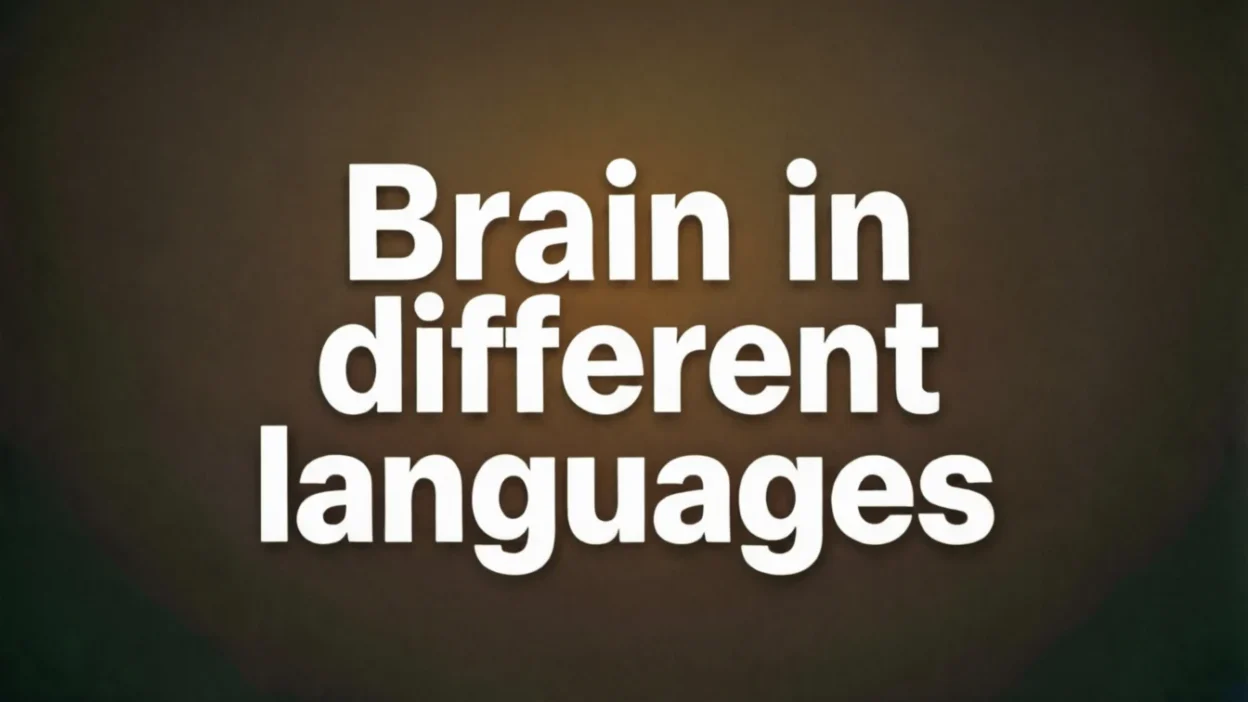
The human brain is one of the most fascinating and essential parts of the body. But did you know that the word “brain” is expressed differently across languages and cultures?
Learning brain in different languages can help you improve your vocabulary, enhance communication, and deepen your understanding of how people around the world describe this vital organ.
In this article, you’ll discover brain in all languages with easy pronunciations and real-life examples to help you remember them naturally.
Brain in All Languages (70 Translations Table)
| Language | Translation & Pronunciation | Example Sentence (with Meaning) |
|---|---|---|
| English | Brain (brayn) | The brain controls the body. (It manages body functions.) |
| Spanish | Cerebro (seh-REH-bro) | El cerebro es importante. (The brain is important.) |
| French | Cerveau (ser-VOH) | Le cerveau fonctionne bien. (The brain works well.) |
| German | Gehirn (geh-HIRN) | Das Gehirn ist komplex. (The brain is complex.) |
| Italian | Cervello (cher-VEL-lo) | Il cervello è potente. (The brain is powerful.) |
| Portuguese | Cérebro (SEH-reh-bro) | O cérebro é incrível. (The brain is amazing.) |
| Dutch | Hersenen (HER-seh-nen) | De hersenen werken snel. (The brain works fast.) |
| Russian | Мозг (mozg) | Мозг управляет телом. (The brain controls the body.) |
| Chinese (Mandarin) | 大脑 (dà nǎo) | 大脑很重要。 (The brain is important.) |
| Japanese | 脳 (nou) | 脳は重要です。 (The brain is important.) |
| Korean | 뇌 (noe) | 뇌는 중요합니다. (The brain is important.) |
| Arabic | دماغ (di-maa-gh) | الدماغ مهم. (The brain is important.) |
| Hindi | मस्तिष्क (mas-tishk) | मस्तिष्क महत्वपूर्ण है। (The brain is important.) |
| Urdu | دماغ (di-maagh) | دماغ اہم ہے۔ (The brain is important.) |
| Turkish | Beyin (BE-yin) | Beyin çok önemli. (The brain is very important.) |
| Greek | Εγκέφαλος (en-KE-fa-los) | Ο εγκέφαλος λειτουργεί καλά. (The brain works well.) |
| Polish | Mózg (moozg) | Mózg jest ważny. (The brain is important.) |
| Swedish | Hjärna (YER-na) | Hjärnan är viktig. (The brain is important.) |
| Danish | Hjerne (YER-neh) | Hjernen er vigtig. (The brain is important.) |
| Norwegian | Hjerne (YER-neh) | Hjernen er viktig. (The brain is important.) |
| Finnish | Aivot (AI-vot) | Aivot ovat tärkeät. (The brain is important.) |
| Czech | Mozek (MO-zek) | Mozek je důležitý. (The brain is important.) |
| Hungarian | Agy (ODJ) | Az agy fontos. (The brain is important.) |
| Romanian | Creier (kreh-YER) | Creierul este important. (The brain is important.) |
| Thai | สมอง (sa-mong) | สมองสำคัญ (The brain is important.) |
| Vietnamese | Não (nao) | Não rất quan trọng. (The brain is important.) |
| Indonesian | Otak (o-tak) | Otak itu penting. (The brain is important.) |
| Malay | Otak (o-tak) | Otak sangat penting. (The brain is important.) |
| Filipino | Utak (oo-tak) | Mahalaga ang utak. (The brain is important.) |
| Swahili | Ubongo (oo-BON-go) | Ubongo ni muhimu. (The brain is important.) |
| Zulu | Ubuchopho (oo-boo-CHO-po) | Ubuchopho bubalulekile. (The brain is important.) |
| Afrikaans | Brein (brayn) | Die brein is belangrik. (The brain is important.) |
| Hebrew | מוח (mo-akh) | המוח חשוב. (The brain is important.) |
| Persian | مغز (maghz) | مغز مهم است. (The brain is important.) |
| Bengali | মস্তিষ্ক (mos-tishk) | মস্তিষ্ক গুরুত্বপূর্ণ। (The brain is important.) |
| Punjabi | ਦਿਮਾਗ (di-maag) | ਦਿਮਾਗ ਜ਼ਰੂਰੀ ਹੈ। (The brain is important.) |
| Tamil | மூளை (moo-lai) | மூளை முக்கியம். (The brain is important.) |
| Telugu | మెదడు (me-da-du) | మెదడు ముఖ్యం. (The brain is important.) |
| Marathi | मेंदू (men-doo) | मेंदू महत्त्वाचा आहे. (The brain is important.) |
| Gujarati | મગજ (ma-gaj) | મગજ મહત્વનું છે. (The brain is important.) |
| Sinhala | මොළය (mo-la-ya) | මොළය වැදගත්. (The brain is important.) |
| Nepali | मस्तिष्क (mas-tishk) | मस्तिष्क महत्वपूर्ण छ। (The brain is important.) |
| Khmer | ខួរក្បាល (khuor kbal) | ខួរក្បាលសំខាន់។ (The brain is important.) |
| Lao | ສະໝອງ (sa-mong) | ສະໝອງສຳຄັນ. (The brain is important.) |
| Burmese | ဦးနှောက် (u-nout) | ဦးနှောက်အရေးကြီးသည်။ (The brain is important.) |
| Mongolian | Тархи (tar-khi) | Тархи чухал. (The brain is important.) |
| Icelandic | Heili (HEY-li) | Heilinn er mikilvægur. (The brain is important.) |
| Irish | Inchinn (IN-khin) | Tá an inchinn tábhachtach. (The brain is important.) |
| Welsh | Ymennydd (uh-MEN-ith) | Mae’r ymennydd yn bwysig. (The brain is important.) |
| Scottish Gaelic | Eanchainn (YAN-khin) | Tha an eanchainn cudromach. (The brain is important.) |
| Albanian | Tru (troo) | Truri është i rëndësishëm. (The brain is important.) |
| Serbian | Мозак (MO-zak) | Мозак је важан. (The brain is important.) |
| Croatian | Mozak (MO-zak) | Mozak je važan. (The brain is important.) |
| Bosnian | Mozak (MO-zak) | Mozak je važan. (The brain is important.) |
| Slovak | Mozog (MO-zog) | Mozog je dôležitý. (The brain is important.) |
| Slovenian | Možgani (MOZH-ga-ni) | Možgani so pomembni. (The brain is important.) |
| Latvian | Smadzenes (SMAHD-zeh-nes) | Smadzenes ir svarīgas. (The brain is important.) |
| Lithuanian | Smegenys (SMEH-geh-nis) | Smegenys svarbios. (The brain is important.) |
| Estonian | Aju (AH-yu) | Aju on oluline. (The brain is important.) |
| Maltese | Moħħ (mohh) | Il-moħħ huwa importanti. (The brain is important.) |
| Haitian Creole | Sèvo (SEH-vo) | Sèvo a enpòtan. (The brain is important.) |
| Malagasy | Atidoha (a-tee-DO-ha) | Atidoha dia zava-dehibe. (The brain is important.) |
| Amharic | አንጎል (an-gol) | አንጎል አስፈላጊ ነው። (The brain is important.) |
| Somali | Maskax (mas-kax) | Maskaxdu waa muhiim. (The brain is important.) |
| Uzbek | Miya (mee-ya) | Miya muhim. (The brain is important.) |
| Kazakh | Ми (mee) | Ми маңызды. (The brain is important.) |
| Georgian | ტვინი (tvi-ni) | ტვინი მნიშვნელოვანია. (The brain is important.) |
| Armenian | Ուղեղ (oo-ghegh) | Ուղեղը կարևոր է։ (The brain is important.) |
| Azerbaijani | Beyin (be-yin) | Beyin vacibdir. (The brain is important.) |
How to Say Brain in Different Languages
Understanding how to say brain in different languages is helpful for students, travelers, and language enthusiasts. While the word varies, its meaning remains universal as the control center of the human body.
Brain Around the World
The concept of the brain is recognized worldwide, but different cultures may describe its functions and importance in unique ways. Learning brain translations gives insight into both language and cultural perspectives.
Why Learn Brain Translations?
Knowing brain in all languages is useful because:
- It helps in academic and medical contexts
- Improves multilingual vocabulary
- Supports travel and communication
- Enhances cultural knowledge
Conclusion
Learning brain in different languages is a simple yet powerful way to expand your global vocabulary. These translations help you communicate better and understand how different cultures refer to this essential organ.
FAQs
1. What is brain in different languages?
It refers to how the word “brain” is translated across various global languages.
2. Why learn brain translations?
It helps in education, travel, and understanding different cultures.
3. Is the word brain similar in all languages?
No, each language has its own unique word and pronunciation.
4. Where is brain vocabulary useful?
It is useful in medical, academic, and everyday conversations.
5. How can I remember brain in different languages?
Practice regularly and use the words in real-life examples.